















A long day at a desk, behind the wheel, or on your feet can leave your back tight and sore. A back massager offers a practical way to relax tense muscles without booking an appointment every time discomfort appears.
The right device can ease everyday stiffness, but it won’t replace medical care or skilled hands when pain persists. Your choice should match the location of your discomfort, the pressure you enjoy, and how often you plan to use it.
Key Takeaways
- Choose a cushion, handheld device, percussion tool, or massage chair based on the area and type of tension.
- Heat and vibration can feel soothing, but stronger pressure isn’t always better.
- Start with short sessions and avoid using a device directly over the spine, injured skin, or swollen areas.
- A professional massage may suit pain or tightness that a home device can’t reach.
- In Nairobi, verify the provider, location, service type, pricing, and privacy arrangements before booking.
How a Back Massager Works
Most home massage devices use vibration, rotating nodes, rolling movement, percussion, heat, or a combination of these features. Their goal is to reduce the sensation of tightness and help muscles relax after work, exercise, travel, or long periods of sitting.
A cushion-style device usually rests on a chair and targets the upper, middle, or lower back. Rotating nodes imitate kneading, while vibration creates a lighter, broader sensation. Some models include a heating function, which many people prefer during evening use.
Handheld devices offer more control. You can move one across the shoulders, beside the spine, or around the hips. A Massage Gun uses rapid pulses, so it may suit large muscles such as the glutes and upper back. It requires more care because holding it in one spot for too long can leave the area tender.
The health benefits and uses of back massagers include temporary muscle relaxation, improved comfort, and stress relief. These effects can make a device useful after a demanding day, although results vary between people.
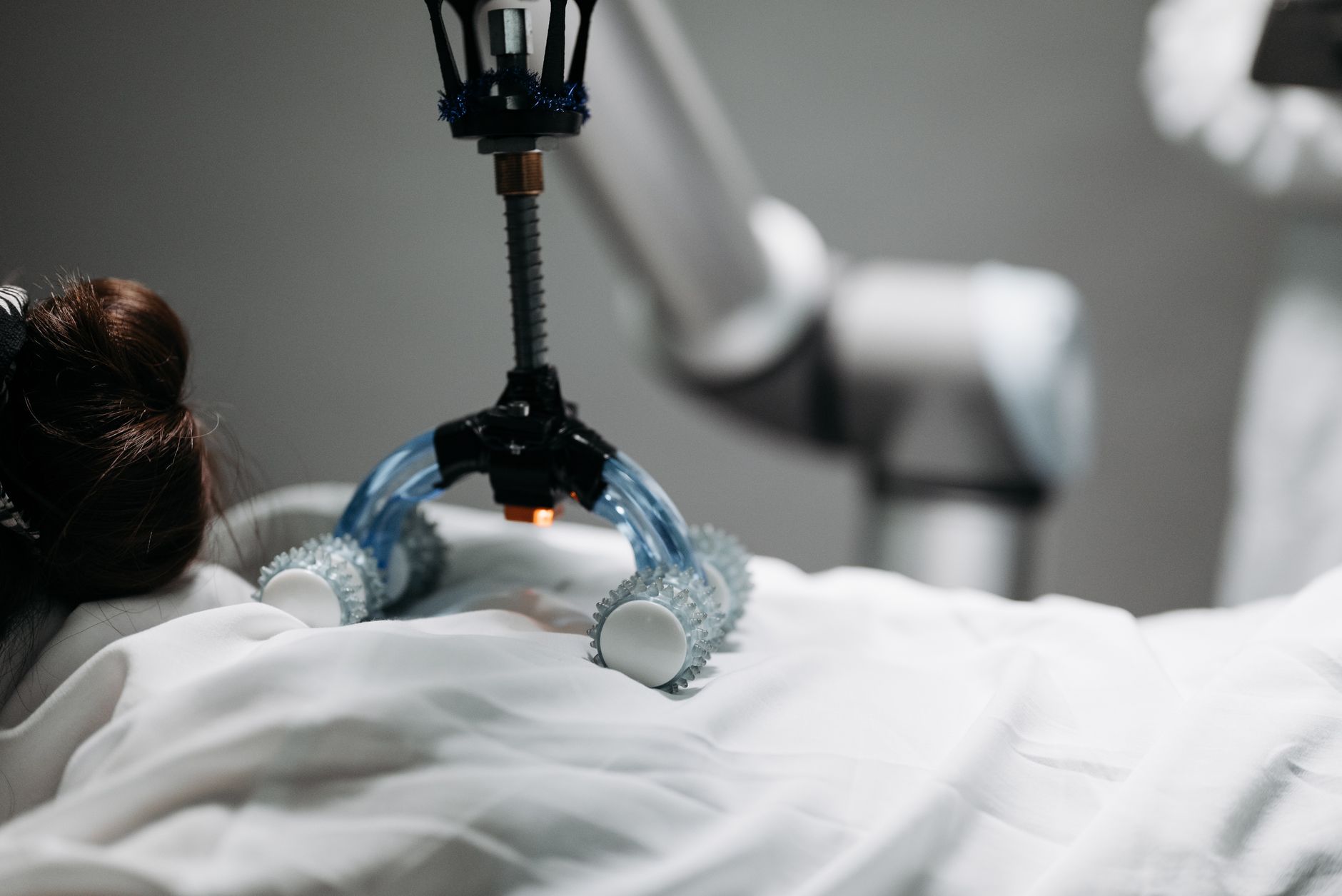
Photo by Pavel Danilyuk
A device should feel firm and comfortable rather than painful. Sharp pain, tingling, increasing numbness, or unusual weakness is a reason to stop. Those symptoms need proper assessment instead of stronger pressure.
Choosing the Best Back Massager for Your Needs
The best back massager depends on where you feel tension and how much control you want. A device designed for a chair may suit daily office use, while a handheld tool may work better for reaching a specific knot.
| Type | Best suited to | Main point to check |
|---|---|---|
| Massage cushion | Regular upper or lower back tension | Chair fit and node placement |
| Handheld massager | Shoulders, hips, and hard-to-reach areas | Weight and grip comfort |
| Massage Gun | Large muscle groups after exercise | Speed settings and attachment heads |
| Heated pad | Gentle relaxation and evening use | Temperature control and auto shutoff |
| Massage Chair | Frequent full-back sessions | Body fit, footprint, and warranty |
A cushion is often the easiest starting point. It requires little technique and lets you sit upright while the mechanism works. Check whether the rollers reach your preferred area, since some cushions focus more on the lower back than the shoulders.
A handheld massager gives you flexibility, but reaching the middle of your back can be difficult without help. For that reason, many users prefer a cushion for daily use and a smaller tool for the neck, shoulders, or legs.
A massage chair offers the most coverage, yet it costs more and takes considerable space. Before buying one, measure the room and test the chair if possible. Your body should rest naturally against the backrest, with no pressure forcing your shoulders forward.
Heat is useful for comfort, but it isn’t suitable for everyone. People with reduced skin sensation may not notice excessive warmth quickly. Keep the temperature moderate and follow the manufacturer’s time limits.
Don’t choose based on the number of settings alone. A simple device with comfortable pressure, stable construction, washable covers, and a clear warranty may serve you better than a complicated model you rarely use.
Back Massager or Hands-On Massage?
A home device is convenient, but a trained Massage Therapist can adjust pressure and direction as your muscles respond. Human hands can also work around sensitive areas and ask questions about pain that a machine cannot answer.
A Swedish Massage usually uses lighter, flowing strokes and may suit general relaxation. Deep Tissue Massage applies firmer, slower pressure to areas with persistent muscle tightness. A Thai Massage uses assisted stretches and pressure, so it feels different from a stationary device.
People with swelling or specific medical needs may ask about Lymphatic Massage or Lymphatic Drainage Massage. These treatments require an appropriate technique. A home roller or percussion device shouldn’t replace professional guidance for swelling, circulation concerns, or recovery after surgery.
A Foot Massage can help when your discomfort starts after standing or walking all day, although a Foot Massager won’t address tight shoulder muscles. Likewise, a full-body device may feel relaxing but can miss the exact spot causing discomfort.
For lower-back pain, treatment type matters more than the word “massage” on an advertisement. This guide to massage for lower-back pain explains how different techniques may suit different problems.
A professional session may be the better choice when pain lasts, returns often, or affects sleep and movement. In Nairobi, you can compare Nairobi massage services, prices, and treatment types before deciding whether a home device is enough.
Finding Massage Services Safely in Nairobi
A device works well for regular maintenance, while a local appointment gives you personal attention. Search terms such as “Massage Near me,” “Massage Spa Near me,” “Massage Places Near Me,” and “Massage Therapy Near me” can produce many options. Add a neighborhood, such as Westlands, Kilimani, Karen, Gigiri, or the CBD, to narrow the results.
People also search for “Nairobi Massage Near me,” “Massage Near Me Current Location,” “Massage Near Me Open Now,” or “Foot Massage Near me.” These searches show availability, but they don’t confirm cleanliness, training, pricing, or privacy. Read the service description before contacting anyone.
A Massage Spa may provide a formal reception area, treatment rooms, and a published menu. A Nairobi Massage Center or independent Nairobi Massage Therapist may offer a more personal setup. A listing described as a Nairobi Massage parlour can mean different things, so ask what the session includes before you travel.
Nairobi Raha, also known as Nairobiraha, includes local listings that may help adults compare massage options. Its professional massage Nairobi guide covers provider checks, treatment choices, and booking safety.
The same platform may also contain Nairobi Escorts and other listings for adults looking for companionship. If you’re searching for escorts in Nairobi, keep those categories separate from therapeutic massage services. Confirm the provider’s identity, the exact service, the meeting location, and the agreed price in writing.
Be careful with vague “Nairobi Massage ads” or invitations shared through an unverified “Nairobi massage spa Telegram” group. Don’t send a deposit before checking the provider, and don’t share unnecessary identity documents or private photographs. A legitimate professional should answer basic questions without pressuring you.
International names such as Massage Envy, Massage Heights, Elements Massage, and Hand and Stone Massage may appear in online searches, but their availability and standards vary by location. Similarly, a product retailer such as Massage Warehouse may sell equipment without providing treatment. Separate the seller, the therapist, and the service venue before making a decision.
How to Use a Back Massager Safely
Start with the lowest comfortable setting for five to ten minutes. Sit or lie in a relaxed position, breathe normally, and let the device move across the muscle rather than pressing down with your full weight.
Keep the device on the muscles beside the spine, not directly on the bony vertebrae. Avoid the front and sides of the neck unless the manufacturer’s instructions specifically support that use. Don’t place a percussion tool over joints, open wounds, rashes, fresh bruises, or areas with reduced sensation.
Heat needs extra attention. Check your skin during the session, especially if you have diabetes, nerve problems, or reduced sensitivity. Stop if the skin becomes unusually red, hot, painful, or irritated.
Ask a clinician before using a powerful device if you have a recent injury, osteoporosis, a blood-clotting condition, unexplained swelling, or a recent operation. Pregnant users should also ask their healthcare provider about suitable positions and pressure.
Use the device when your muscles feel tight, not as a way to push through worsening pain. A back massager can support comfort, but recurring pain, weakness, numbness, fever, or pain after a serious fall needs medical attention.
Clean the contact surfaces regularly, especially if several people use the same device. Store the unit dry, inspect the power cable, and replace it when the casing or cord shows damage.
Conclusion
A back massager can make everyday muscle tension easier to manage, especially when you choose a device that matches your body and routine. Cushions suit regular chair use, handheld tools offer targeted control, and massage guns work best on larger muscle groups with careful pressure.
When discomfort continues, hands-on treatment may provide better guidance than a machine. Whether you search for a Nairobi Massage Therapist, a Massage Spa Nairobi listing, or a local provider through Nairobi Raha, verify the service and safety details first. The best choice is the one that gives you comfortable relief without ignoring the reason your back hurts.